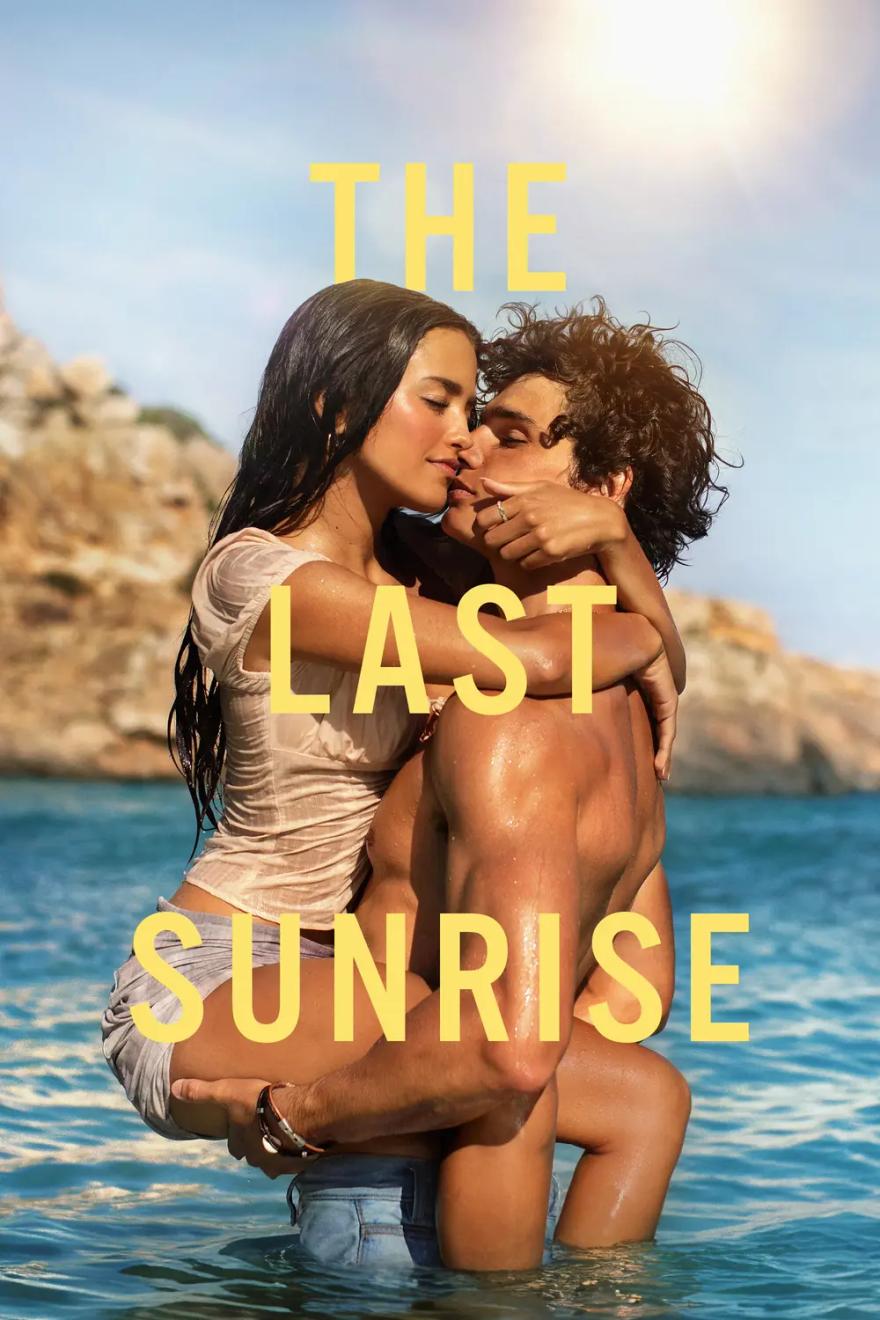
Before you press play
Watch if
You want a summer romance you can put on with other people in the room. It rewards company more than it rewards attention.
Wait if
You want a story that catches you out, or you want the illness and the family history examined rather than touched.
Is The Last Sunrise worth watching?
Yes, with reservations, and not for the story. Almost every move here has been made before. The sheltered girl. The local boy. Six weeks with an end date on them, and a misunderstanding that keeps the two of them apart for a reel. Carlson Young isn't trying to hide any of it. What she does instead is shoot it properly, giving the actors room and trusting a look across a table to carry weight a lesser version would hand to voiceover.
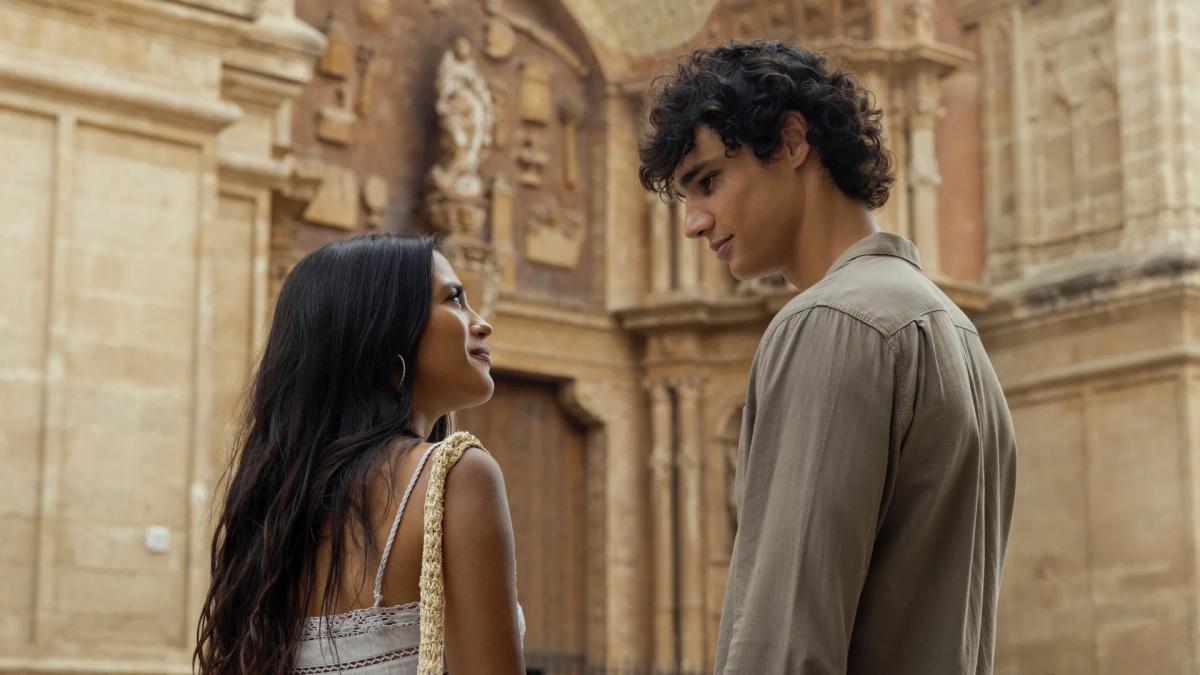
It also isn't a film that asks you to sit still for it. Nothing here needs the attention an Oppenheimer needs. Put it on with other people in the room, talk over the slow stretches, look up when something happens. That isn't a criticism. It's the viewing mode the film is built for, and it's why the score is a three rather than lower.
Anna Klassen adapts Anna Todd's novel in her first feature screenplay credit, and the script is the weakest thing here. It runs on people declining to say things. Oriah "Ry" Pera (Maia Reficco) doesn't tell Julián García (Fernando Lindez) how ill she is. Julián doesn't tell Ry why he stopped answering. Isolde Pera (Eva Longoria) says almost nothing about the island she grew up on. Each silence exists because the film needs the running time, and each one dissolves in a single conversation the moment the film is ready.
Nothing gets examined for long, either. Julián's debt stays a rumour. The islanders resisting Isolde's company never become a movement. The illness gets a diagnosis and a deadline. There's no antagonist at all, just two people and a calendar. Stitched together, the small pleasures still add up. Nothing in this film has any depth and it works anyway, which is harder than it sounds.
What is Ry's illness in The Last Sunrise?
Tuberous sclerosis, a rare genetic condition that causes noncancerous growths around the body. The film stays with the neurological side of it, which is where Ry's epilepsy comes from.
She gets two options and hates both. The medication controls her seizures and leaves her feeling numb. The surgery takes the tubers out of her brain and might take her memories with them. She refuses the surgery, and once she reaches Mallorca she quietly stops the pills.
Where the film cheats is in how selectively the risk matters. Ry comes off medication that has been controlling her seizures and gets weeks of montage. A few tremors. Trouble with the flashing lights at a party. Nothing that ruins an afternoon. There's no universal clock on this and nobody can say what should have happened to her by week three, but stopping antiseizure medication abruptly is a real medical risk, which is why the guidance is to taper rather than quit. The film lets that danger stay quiet until it wants a hospital. The consequences turn up exactly when the story needs them and not before. For a film built on a condition with a countdown attached, tuberous sclerosis is a clock rather than a subject.
Maia Reficco as Oriah "Ry" Pera
Reficco plays Ry as tired. Not brave, not doomed, just worn down by being handled. She holds it for the full runtime and the film needs her to, because Ry is in almost every scene and the whole thing collapses if the audience reads her as courageous. Reficco never reaches for the bigger version.
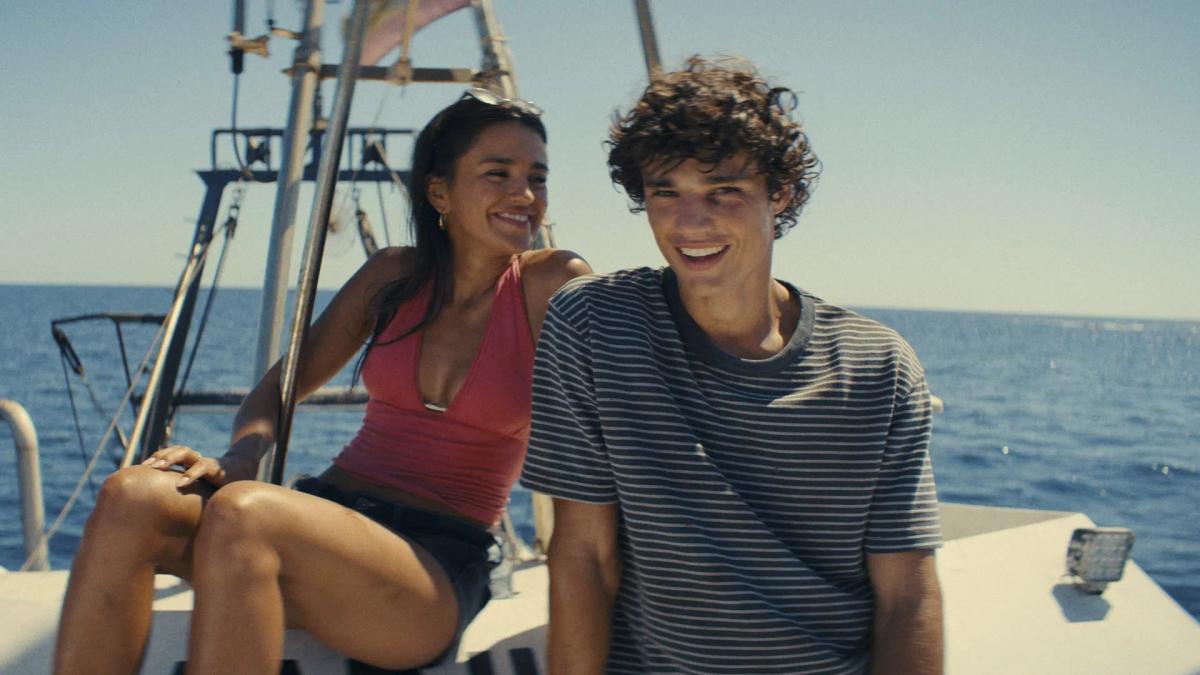
Fernando Lindez as Julián García
Lindez has the harder job, because Julián is written as an idea rather than a person: the local who's free in the way a tourist never is. He gets through it by underplaying. His best moment is refusing help when Ry offers to fix something money could fix, the one beat where the gap between them is about class instead of geography. He plays the humiliation, not the pride.
Eva Longoria as Isolde Pera
Longoria does everything she's asked to do and isn't asked to do much. Her work sits in a cluster in the middle of the film and another at the end, and in between Isolde is mostly an absence. That's a structural choice rather than a performance problem.

Isolde is a real-estate executive at a company called Redwyn, on the island to close a hotel deal, and unless you're listening for it you'll reach the credits unsure what she actually does. That vagueness costs, because her deal is the thing squeezing Julián's family, which makes the romance and the business the same conflict. The film keeps it so quiet it plays as a subplot instead of the engine.
What Longoria does land is protectiveness that reads as control from the outside. The hotel room argument is the best-written scene in the film: a mother who has been right about the medication for years, finally wrong about her daughter.
Who is Amara in The Last Sunrise?
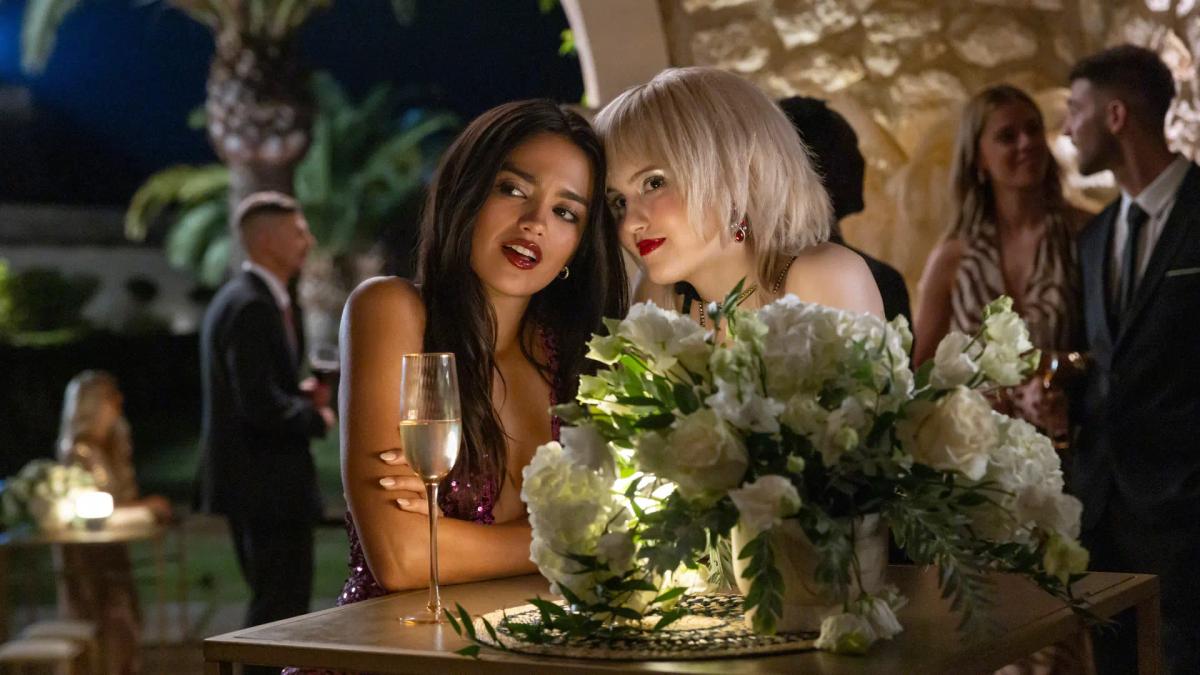
Amara (Chloé Sweetlove) is the receptionist at Ry's hotel, becomes her closest friend on the island, and is the film's smartest decision. She has a romance of her own going, with Prisha (Sabrina Bartlett), a medical student passing through, and it carries the same expiry date the main one does. That lets the film make its argument without the leads having to announce it. Something ending is not an argument against having had it. When Ry says later that she felt the heartache and would take it again, it lands, because we watched somebody else get there first.
The Last Sunrise soundtrack
Bad Bunny, Sabrina Carpenter, Billie Eilish, Sombr. Somebody spent real money here, and the obvious complaint is that the names got licensed for recognition rather than for anything they do in the scene.
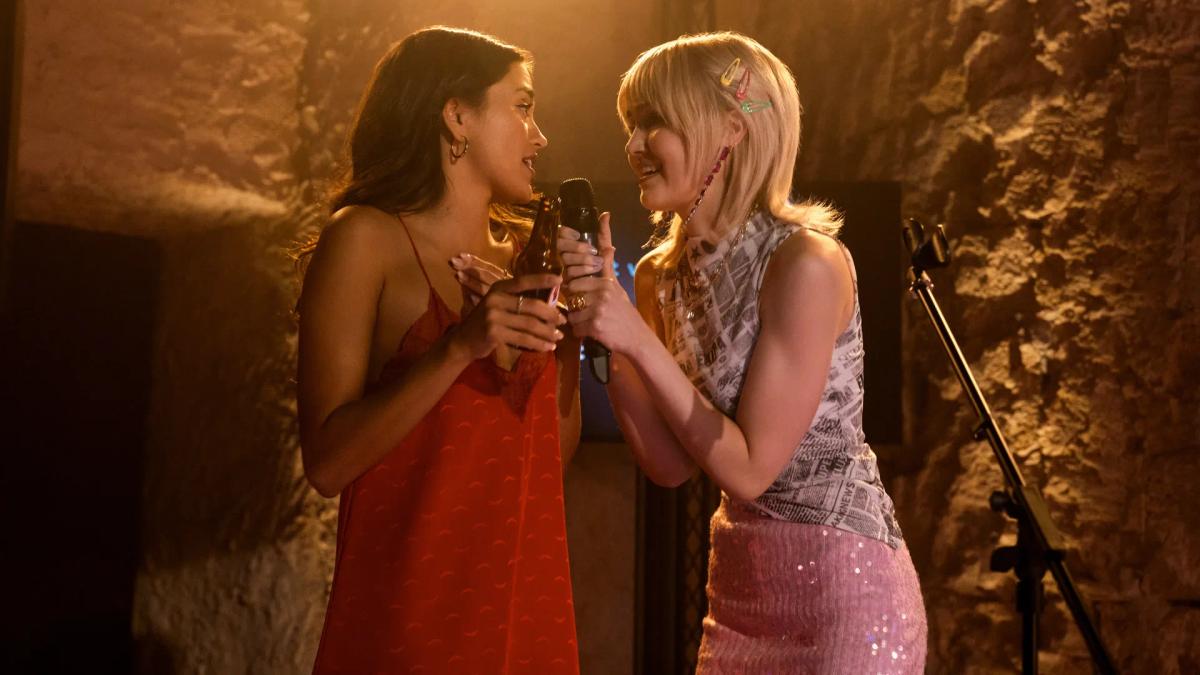
That misses what the songs are for. When the film starts to sag, a track comes in and pulls you back. They aren't there to elevate it. They're there to keep you watching, and they manage it.
Why is The Last Sunrise rated R?
The MPA cites some sexuality, nudity and language. The nudity is the part everyone will remember and it arrives early. Ry meets Julián at a nude beach, she's the only person there wearing a swimsuit, he's entirely unbothered, and Reficco plays the not-looking-away with comic timing the film never asks her for again.
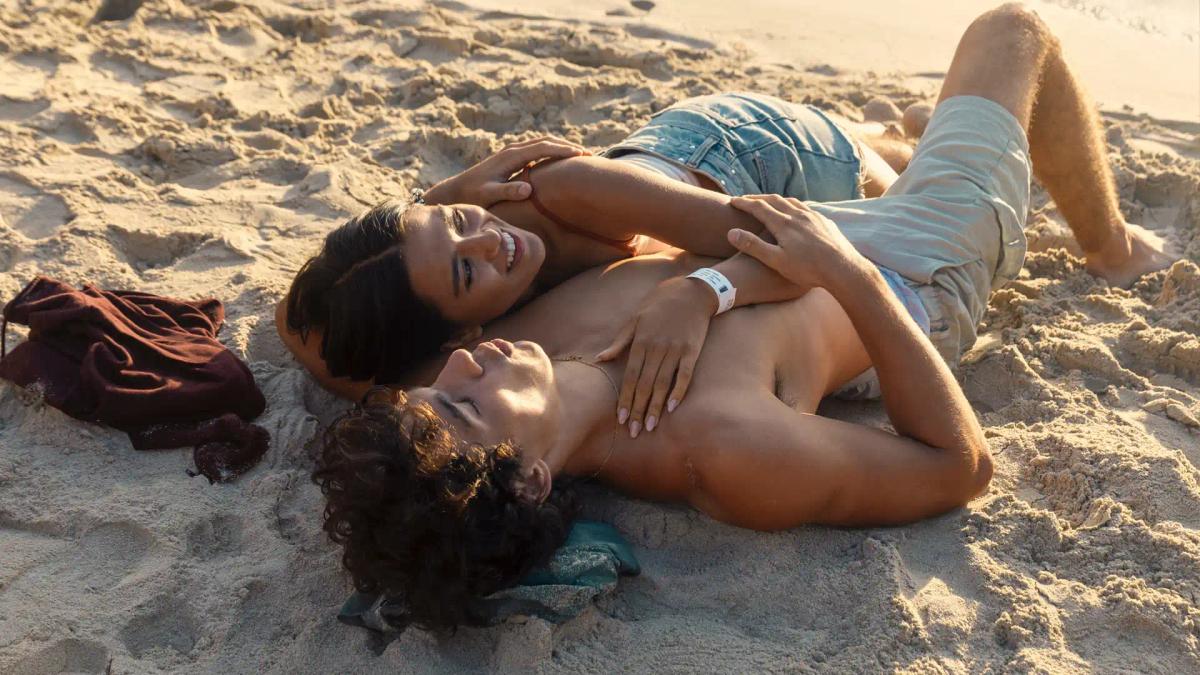
What's strange is how little the film does with the freedom the certificate buys. There are sex scenes later on, but nothing explicit, and nothing that needed an R to work. For a romance aimed this squarely at a young audience, the certificate narrows who can watch and hands the film very little it couldn't have got more softly.
That scene is part of a wider pattern. The camera here wants Julián. It's happy to make an event of him and never points the same appetite anywhere else. The women get written as capable, moneyed and in control, then shot as though desire happens to them. They never generate it. It's a consistent choice, and it narrows the film.
The pills. Isolde Pera (Eva Longoria) works out that Oriah "Ry" Pera (Maia Reficco) has stopped her medication and moves to take her home. Ry refuses, runs, and collapses. She goes into the hotel pool and her mother pulls her out.
The second refusal. At the hospital she's told the tuberous sclerosis has become unmanageable and that surgery is now the only option. She refuses again. Then she goes to the beach to tell Julián García (Fernando Lindez) the truth about her condition, which she'd been hiding from him. They fall asleep there. He wakes. She doesn't.
The consent problem. The doctors tell Isolde the surgery is the only thing that will save her daughter. Julián is the one who argues her into authorising it, against Ry's stated wishes. It's the film's one genuinely uncomfortable idea and it moves past it fast.
The letters. Isolde has already told Ry the important part herself. Mateo García (Andrés Velencoso) was her first love, and she left Mallorca after her own mother died because everything on the island reminded her of it. What Julián brings to the hospital is a bundle of that old correspondence, letters he found among his father's things when he was eight. He has only just worked out that the Izzy in them was Ry's mother.
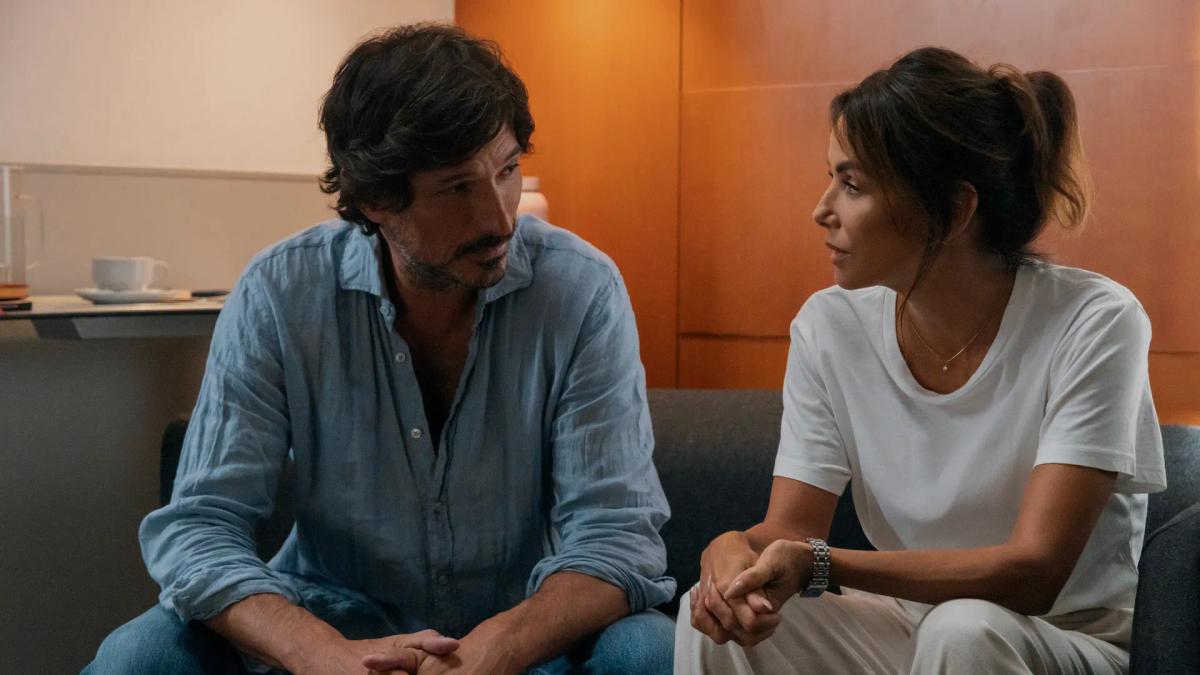
The cheque. The conflict between Isolde's company and Julián's family gets solved by Isolde. She invests in the family business and buys different land for the hotel, and everybody wins. It's the softest available landing for a story about a developer flattening a fishing village, and it takes roughly one scene.
The ending. Ry survives, and wakes without recognising Julián, which is exactly the outcome she spent the film refusing surgery to avoid. Her memories come back one by one. The last scene is the beach, where he introduces himself to her again and she smiles. It doesn't play as full recognition and it doesn't play as meeting a stranger either. The film never tells you how much of him she has back, and it stops there on purpose.
The mirror it declines to complete. That beach reprise is the closing shot and also one of the film's opening images, so the symmetry is deliberate. Which makes the missing flip conspicuous. The first version of that scene is built on him being naked and her being clothed. The second restages it and leaves them both dressed. The film set up its own mirror and then wouldn't finish it, which is the same narrowness the R rating paid for.
A sequel hasn't been greenlit. Deadline reported in June that Prime Video was considering one, and screenwriter Anna Klassen said she'd already started writing it.
More on the ending. Our ending explainer for The Last Sunrise goes through the surgery decision, the letters and why the last scene refuses to resolve.
Bright Bulbs
- Maia Reficco plays Oriah "Ry" Pera as exhausted rather than brave, and the whole film is better for the choice.
- Shot on location around Mallorca and at a cove on Menorca, in the season the story is set. The summer light does half the production design.
- Amara (Chloé Sweetlove) and Prisha (Sabrina Bartlett) carry the film's argument so the leads never have to announce it.
- Carlson Young stages scenes instead of reciting them. The leads are usually doing something, not discussing it.
- The licensed soundtrack is well chosen and well placed. Bad Bunny, Sabrina Carpenter, Billie Eilish and Sombr all turn up.
Dull Bulbs
- The plot runs almost entirely on people declining to say one sentence to each other.
- Isolde Pera's (Eva Longoria) job is stated once and never made legible, burying the fact that her deal is the real conflict.
- The illness keeps to the romance's schedule. Quiet for weeks, then urgent exactly when the plot needs a hospital.
- No antagonist and no opposing force. Julián's debt and the islanders' resistance are both raised and then dropped.
Shattered Bulbs
- The film earns an R but does very little dramatically with the freedom that rating gives it.
Cast
- Maia Reficco as Oriah "Ry" Pera
- Fernando Lindez as Julián García
- Eva Longoria as Isolde Pera
- Andrés Velencoso as Mateo García
- Chloé Sweetlove as Amara
- Sabrina Bartlett as Prisha
- Stefanie Martini as Lena