Before you press play
Watch if
You want a crime comedy that moves fast, stays funny and never asks you to concentrate very hard.
Wait if
You want the mechanics of how a drug empire runs, because this one leaves the middle out on purpose.
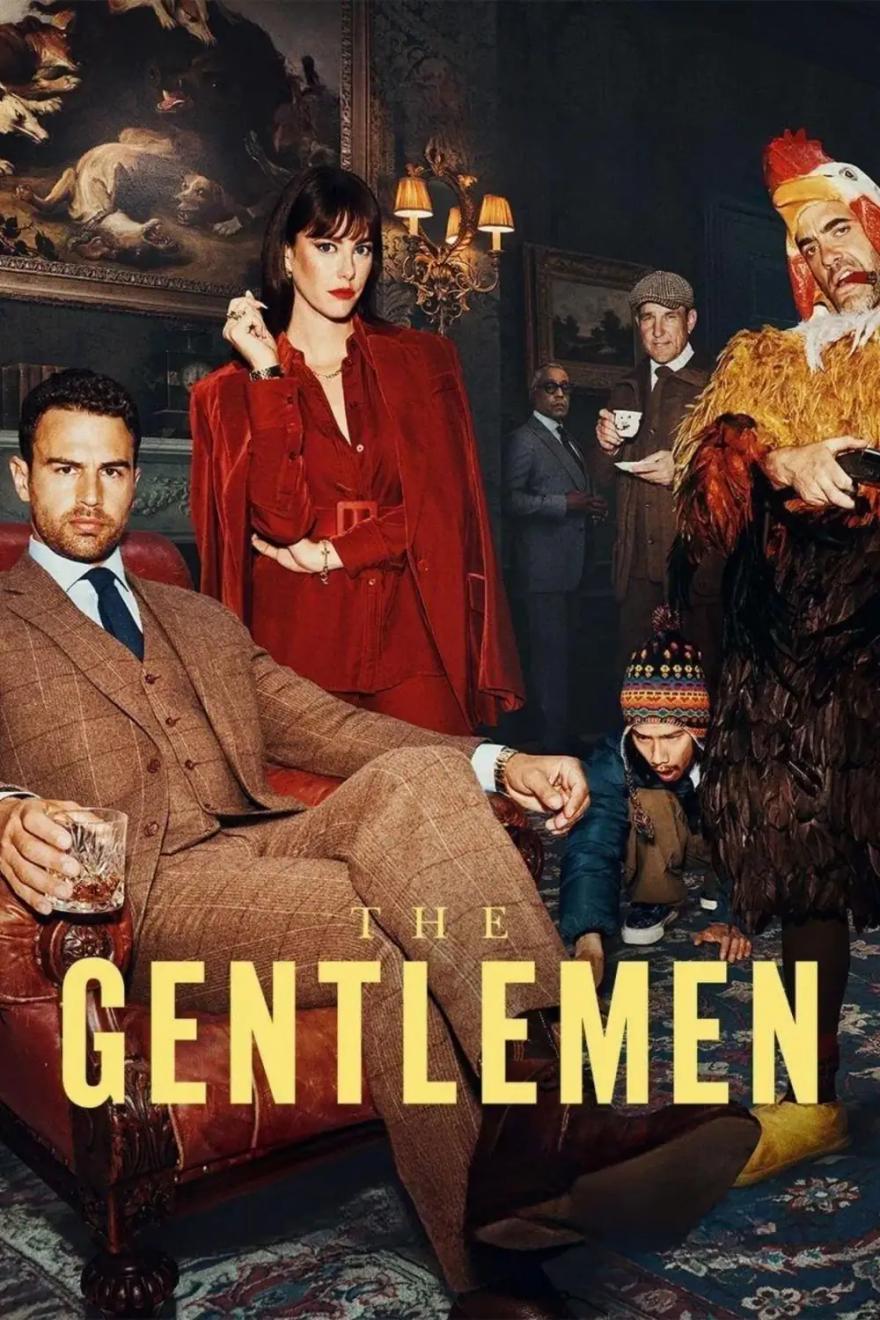
The Gentlemen takes Guy Ritchie's 2019 crime film to television and does it well. Eddie Horniman (Theo James) inherits his father's dukedom and the Halstead estate, and finds out afterwards that there is a cannabis farm under the grounds, run by Susie Glass (Kaya Scodelario) for her imprisoned father. What follows across eight episodes is a run of situations and not a story that builds. A debt. A body. A stolen shipment. A rival with better manners than intentions. Each problem arrives, gets handled, and clears the way for the next one.
That sounds like a complaint and mostly it isn't. The show knows exactly what it is: a dark comedy with a serious spine, where people die badly and the jokes keep coming. None of it demands much concentration. Taken on those terms it is nearly seven good hours. The thing it gets wrong is where it stops. The series is a spin-off, with an entirely new set of characters, so nothing here needs the 2019 film first.
Class and the aristocracy in The Gentlemen
The show is clear about what it thinks of the people in the big house. It keeps coming back to the idea that the aristocracy built its estates by taking from everybody else, and that a duke growing cannabis under his lawn is doing what his ancestors did with better paperwork. The criminals here were already in the house, and the joke is that they wear tweed. The series never slows down enough to make the argument properly, but it gives the caper somewhere to stand that an ordinary London gangster story does not have.

Theo James as Eddie Horniman
Eddie is the only functional adult in his family. The show puts him at the centre of everything. He is a former Army captain who served as a UN peacekeeper, and the series uses that to explain why he is so unbothered by the violence going on around him. With his family he is normal, careful, protective. Outside it he goes considerably further than you expect a man in a waxed jacket to go.

For most of the run things happen to Eddie and he responds. He is putting out fires he inherited, and that is why the show feels episodic even when it isn't. He also gets almost none of the comedy. Everyone around him is funny; he is the fixed point they bounce off, and that is a harder job than it looks. James is good in the part but never exciting, and with the show built so tightly around him, that costs a little.
Kaya Scodelario as Susie Glass
Nothing in the season beats Susie. She starts grounded and controlled and disarming, the sort of person who tells you bad news pleasantly. In the middle stretch you see how hard she can grip once she has hold of someone, and how comfortable she is being the most dangerous person in a room without raising her voice. By the end she has softened, or at least stopped hiding.

What makes her unusual is that the genre normally puts a monster at the top of an operation like this. Susie is serious about the work, good at it, and decent to the people inside it. She reads Eddie early, works out that the business needs him, and builds the relationship deliberately. And she withholds feeling but does not lack it: her brother Jack Glass (Harry Goodwins) is the one place the guard comes down, and Scodelario plays that difference without ever announcing it.
Daniel Ings as Freddy Horniman
Freddy does something, then does something else, then thinks about the first thing. He has no regard for anybody but himself. He is interested in drugs, money and Freddy, and he is the reason the family's immediate crisis starts. When he appears to do something selfless late on, it reads less like a change of heart than another impulse he hasn't examined yet.
He is also where most of the laughs come from; the show is honest enough to make him repellent as often as he is funny. Getting an audience to enjoy a man this useless without asking them to forgive him is the hardest thing anyone does here, and Ings does it.
Eddie and Susie as partners
The partnership is the best thing the season builds. The show never turns it into a romance, though it never quite rules one out either, and for most of the eight episodes the pair are not even comfortable together. They are awkward around each other in a way the show plays for laughs as often as for tension. What works is how good they are at the job together. She knows the business, he knows the people who own the land, and once they stop testing each other they are very hard to beat. They drift off course around the midpoint, and each time they come back to it the show picks up.

The supporting cast: Geoff Seacombe, Sabrina Horniman and Mercy
Geoff Seacombe (Vinnie Jones) is the estate's gamekeeper and a minor character who makes every scene he is in work. He is carrying more than a gamekeeper's job but never makes it anyone else's problem, and he turns out to be useful to Eddie once the business gets complicated.
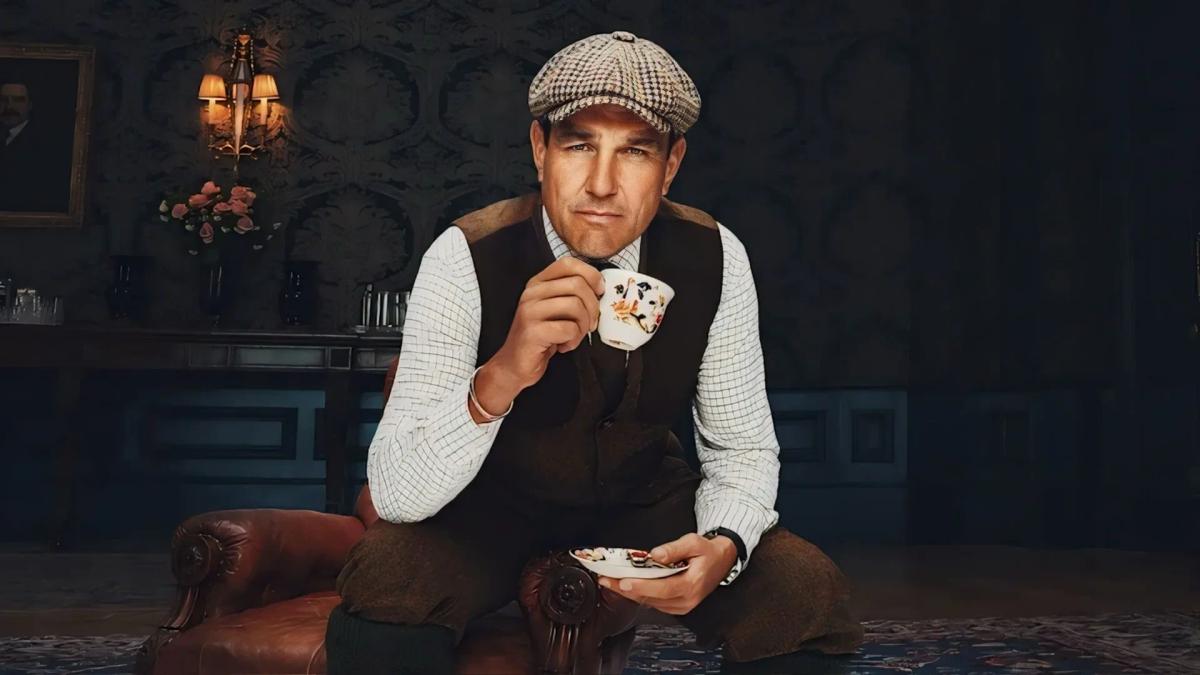
Sabrina Horniman (Joely Richardson) has a sense of humour the show does not explain to you. Her funniest moments are expressions, not lines, and if that kind of comedy is yours you will spend the season watching her when she isn't speaking. Mercy (Martha Millan) is only in a handful of scenes and gets a laugh in most of them.
Giancarlo Esposito as Stanley Johnston and Ray Winstone as Bobby Glass
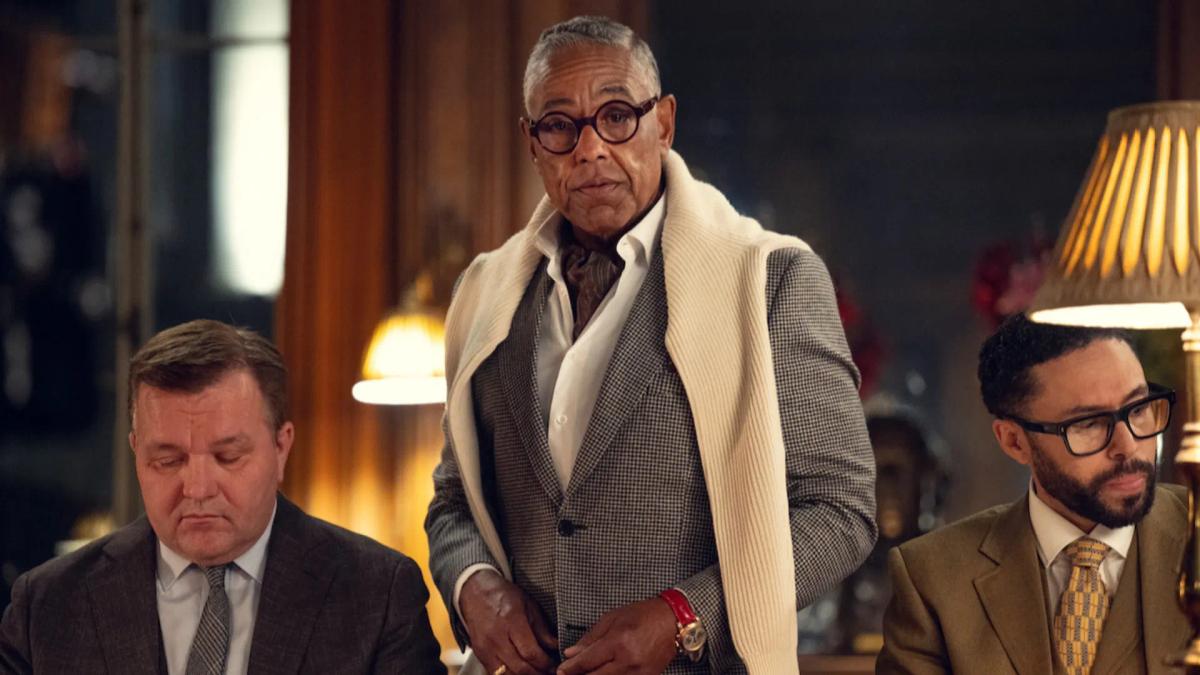
Stanley Johnston (Giancarlo Esposito) is a methamphetamine billionaire who wants Bobby's cannabis business to spread his money around, and the manor matters to him only as a way in. He is behind far more than you notice at the time: a stolen shipment, the trouble on the Continent, a fixed fight. What is interesting is how little threat he gives off. With Susie you can see the danger. With Johnston the smile never moves, which is the point. Esposito is good, though he delivers it much as he did Stan Edgar in The Boys.
Bobby Glass (Ray Winstone) is the power above all of it. Susie runs the organisation day to day, but Bobby tests both of them from a prison staged so comfortably it looks like a country hotel, and neither of them works out how completely until the end.
Henry Collins (Max Beesley) arrives looking like a supporting player and turns into the antagonist of the back half, though he is working for Johnston the whole time.
Guy Ritchie's style: the comedy, the score and the missing middle
The comedy gets its laughs, the cutting is quick, and some scenes run out of order without ever making you work for it. Christopher Benstead's score changes register scene by scene, including operatic music over Jimmy Chang's (Michael Vu) underground grow that should be too much and isn't.
The useful comparison is Breaking Bad, which went deep into the process, the chemistry, the laundering, the logistics, and got darker the further in it went. This show does the opposite. You see the start of a thing and you see how it turned out, and it skips the middle on purpose. How the money actually gets cleaned is barely covered. That keeps the tone light, and for a show pitched like this one it is the right call.
Is The Gentlemen Season 1 worth watching?
Yes. The concept is good, the characters are good, the comedy works, the music works, and the house does as much for the show as most of the cast.
The one real cost is the shape. Eddie spends eight episodes being pulled into something, and it ends at the moment he becomes interesting. Season two then opens a year later, so the part you have just spent a season earning is the part nobody shows you.
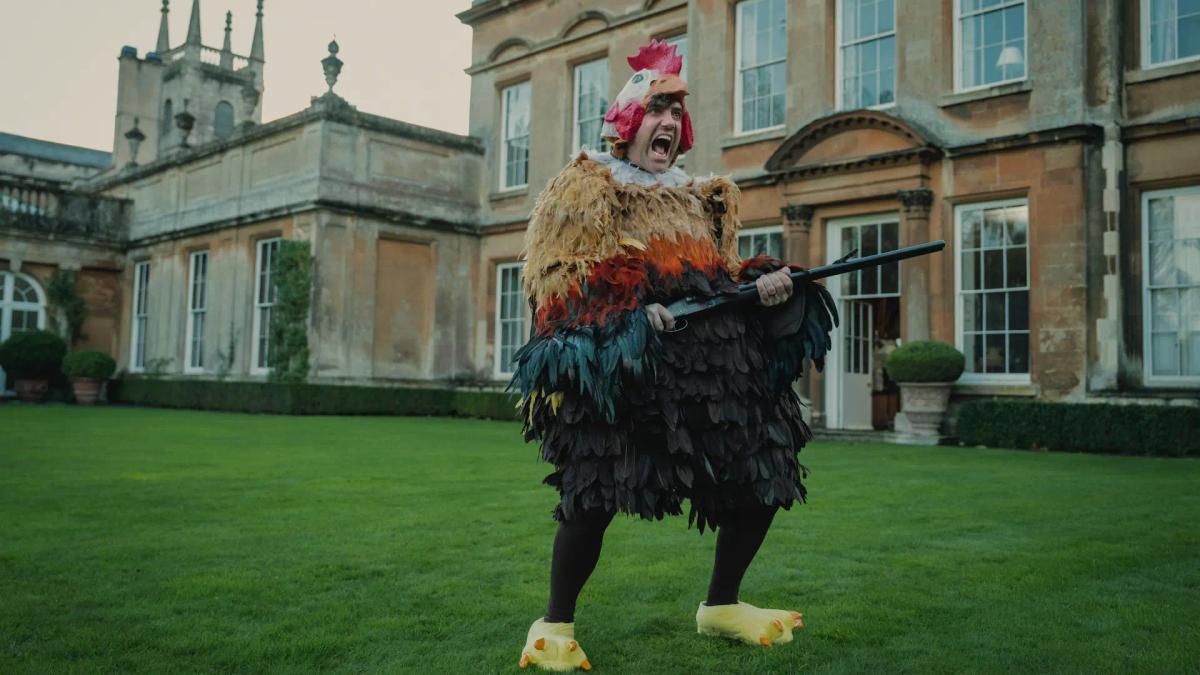
Freddy and Tommy Dixon. Freddy Horniman (Daniel Ings) owes a fortune to Tommy Dixon (Peter Serafinowicz), who makes him perform on camera in a chicken suit, and Freddy shoots him dead while still wearing it at the end of the first episode. Much of the season runs off that hour.
Jack Glass. Henry Collins (Max Beesley), acting for Stanley Johnston (Giancarlo Esposito), fixes a boxing match in episode six that leaves Jack Glass (Harry Goodwins) badly hurt, as leverage on Susie Glass (Kaya Scodelario). She reads it as a betrayal by Eddie Horniman (Theo James), and the partnership nearly ends there.

The auction. Bobby Glass (Ray Winstone) announces he is selling and asks for bids. Eddie and Susie use the process to clear the field instead. Johnston is arrested for tax evasion. Mercy (Martha Millan) kills Sticky Pete (Joshua McGuire) after being told his bid won, and Collins shoots her moments later.
The ending. Eddie offers Susie the gun. She tells him the kill belongs to his own path, and he shoots Collins himself. Bobby then reveals the sale was never real. It was a test, both of them passed, and they end up investing in the business alongside him instead of buying it out.
Charly and Geoff. Charly Horniman (Jasmine Blackborow) comes home pregnant and works out that Geoff Seacombe (Vinnie Jones) is her father, not the late Duke. Neither of them says the word out loud.
Stanley Johnston. He is not finished. The last scene puts him in the same prison as Bobby over an expensive meal, and the two of them appear to be circling a partnership.
Bright Bulbs
- Kaya Scodelario's Susie Glass is calm, controlled and unusually decent for someone running a drug empire, and the show never makes her a monster to prove she is dangerous.
- Daniel Ings makes Freddy Horniman funny while keeping him selfish enough that you never quite forgive him, which is a hard balance to hold for eight episodes.
- Badminton House supplies Halstead Manor's exteriors, and the production design picked up an Emmy nomination. The estate does as much work here as the majority of the cast.
- Christopher Benstead's score changes tone from scene to scene, going operatic over Jimmy Chang's underground grow that has no business working and does.
- Joely Richardson's Sabrina Horniman gets her funniest moments from a look, not a line, which rewards watching her while somebody else is talking.
Dull Bulbs
- Theo James plays Eddie Horniman well without ever being exciting, which matters more in a show built this tightly around one man than it would elsewhere.
- Giancarlo Esposito is good as Stanley Johnston but delivers him much the way he delivered Stan Edgar in The Boys, so the menace arrives pre-worn.
- The first half is problems arriving and no story building, so it takes a while before anything feels like it is heading somewhere.
Shattered Bulbs
- The season ends just as Eddie becomes the man worth watching, and season two then skips a year, so nobody ever shows you him doing the job.
Cast
- Theo James as Eddie Horniman
- Kaya Scodelario as Susie Glass
- Daniel Ings as Freddy Horniman
- Joely Richardson as Sabrina Horniman
- Vinnie Jones as Geoff Seacombe
- Ray Winstone as Bobby Glass
- Giancarlo Esposito as Stanley Johnston
- Max Beesley as Henry Collins
- Harry Goodwins as Jack Glass
- Michael Vu as Jimmy Chang
- Peter Serafinowicz as Tommy Dixon
- Martha Millan as Mercy
- Jasmine Blackborow as Charly Horniman
- Joshua McGuire as Sticky Pete
- Pearce Quigley as Gospel John
- Chanel Cresswell as Tammy
Related articles
- The Gentlemen's Class Satire, ExplainedThe Gentlemen's real argument is that aristocrats used to be able to legalise what they did, not that they were always criminals.
- Who Is Susie Glass?Who is Susie Glass in The Gentlemen? Kaya Scodelario's character goes from running her father's empire to building her own.
- Who Is Eddie Horniman?Who is Eddie Horniman in The Gentlemen? Theo James's duke, from reluctant heir to ruthless crime lord, across both seasons.
- Who Is Gospel John?John “The Gospel” Dixon heads the Scouse crime family. Who he is, why he wanted the Hornimans dead, and how the feud ended. Spoilers throughout.
- The Gentlemen Season 3: Everything We Know So FarConfirmed, eight episodes, Guy Ritchie directing, filming soon. What is actually known about season 3, and what is still guesswork.
- The Gentlemen Season 2 Ending Explained: Who Killed Bella?Who brought down Bella's plane, why Freddy did it, why Eddie went after the wrong man, and what the chainsaw means. Spoilers throughout.
More from The Gentlemen
 The Gentlemen Season 1
 The Gentlemen Season 2
Also on The Gentlemen: Explainer · The Gentlemen's Class Satire, Explained (+6)
Everything on The Gentlemen (9) →