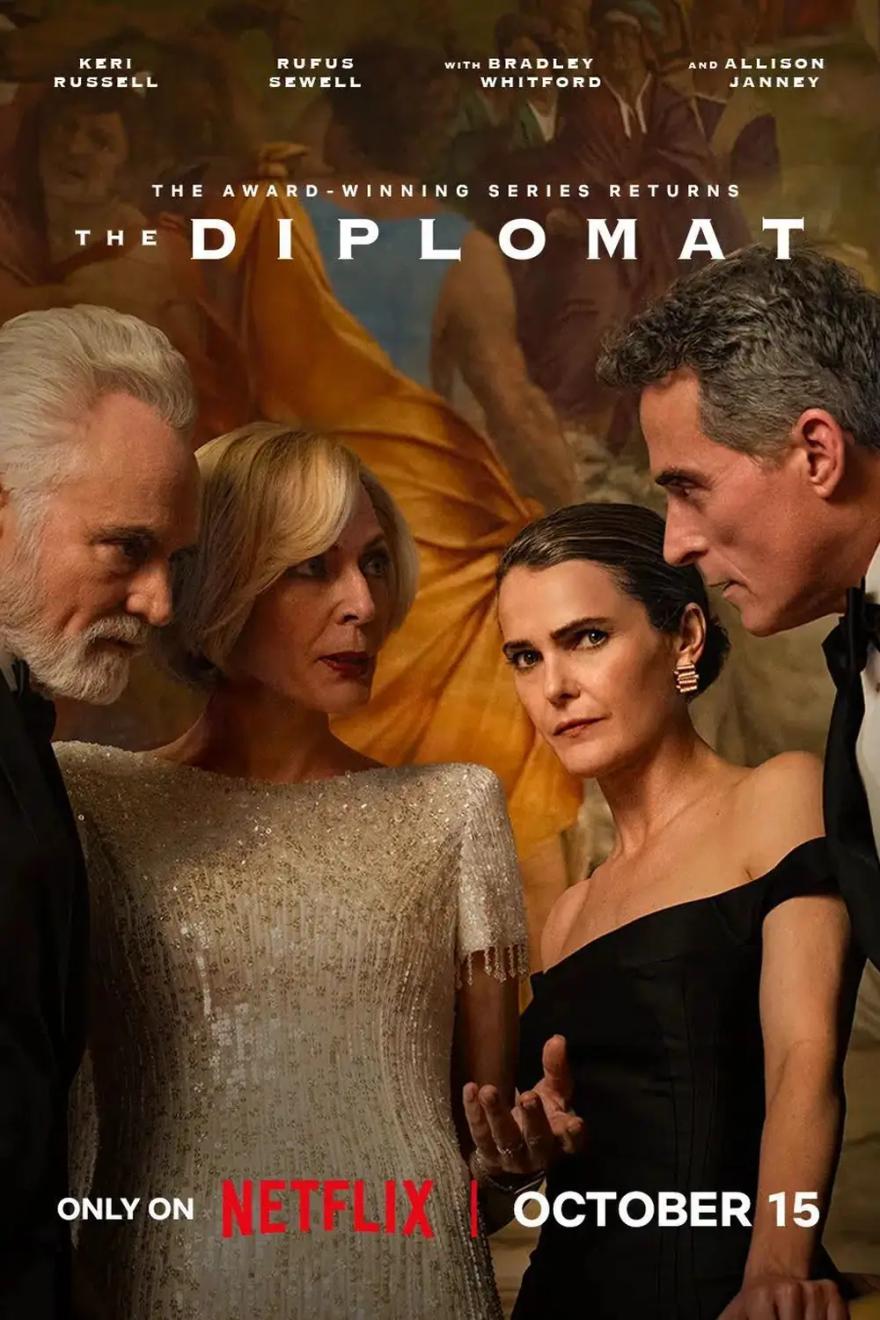
Something is funny about beginning this review where The Diplomat leaves us: at what feels like the start of another season. Season 4 has ended, technically and emotionally, it feels like someone has just finished setting up the show we are about to watch.
By now, this is nearly its signature move. Spend a season building the tension, deliver a banger of a penultimate episode, and then turn the finale into an extended trailer for whatever comes next. Not because nothing happens, but because the season ends at precisely the point where you want to see what happens next. Maybe the idea is to keep us theorising until the show returns. It certainly works. Whether it makes for a satisfying ending is another question.
Less action, more negotiation
What stood out to me this season, though, was how much less action-driven it felt. The earlier seasons left a strong impression through explosions, attacks and the immediate scramble around them. Season 4 still has major shocks, but what stayed with me was the time spent watching people negotiate their relationships with one another. The political crisis increasingly becomes a struggle between President Grace Penn (Allison Janney) and Kate Wyler (Keri Russell), the American ambassador to the UK, with Vice President Hal Wyler (Rufus Sewell) and Grace's husband, Todd Penn (Bradley Whitford), complicating almost every part of it.
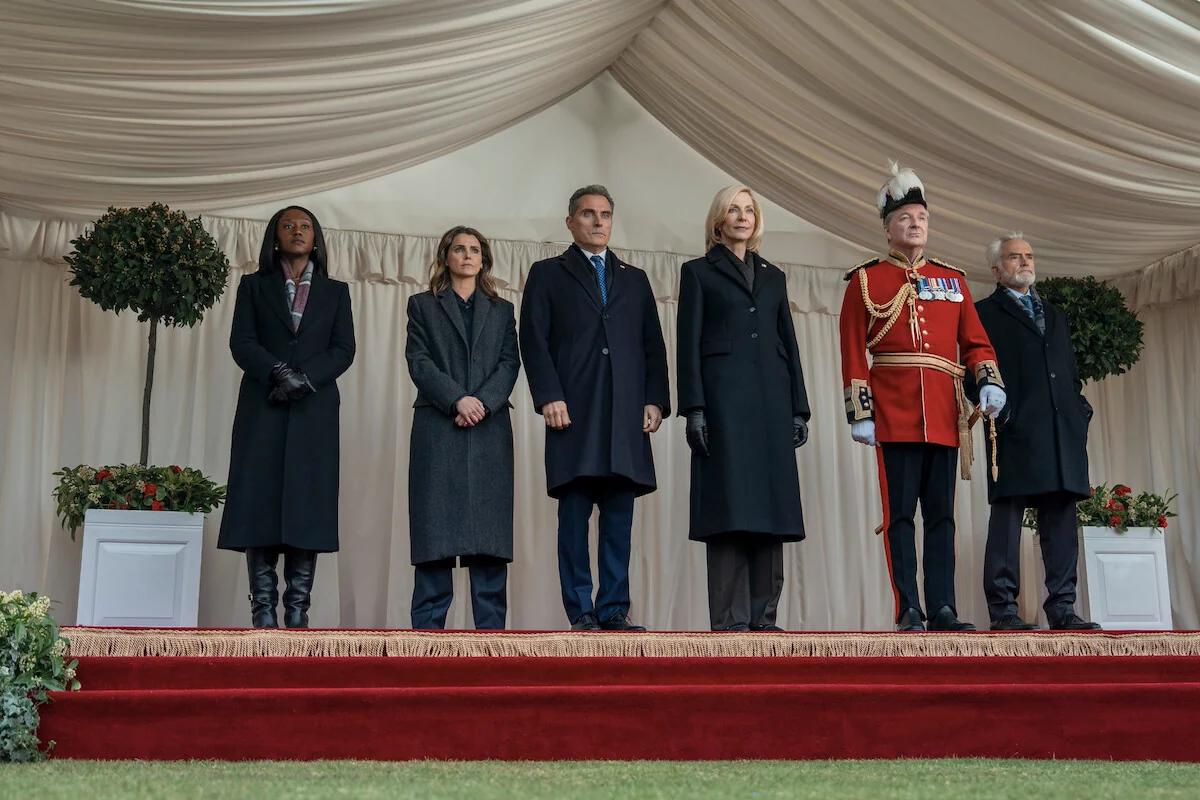
That concentration has a cost. Characters who felt essential to the first two seasons seem less central to the show's identity now. They still matter, but the centre of gravity has shifted towards these four people, their marriages and their competing ideas about how power should be used.
The missing investigation
I also missed some of the investigative pull of the earlier seasons. There was a pleasure in watching Kate piece things together while trying to do a job that seemed to come with an obstacle at every turn. I am not comparing the plotting to Sherlock Holmes, but there was that element of trying to solve something. This season, geopolitics and America's place in the world occupy more of the foreground. The questions increasingly concern what powerful people will do with the information they already have.
That shift produces some excellent confrontations, but it also made the story feel narrower to me. The stakes are enormous; the range of dramatic situations sometimes feels smaller. We spend more time circling the same disagreements, waiting to see who will finally give way.
Kate and Hal's marriage
Kate and Hal's marriage is particularly interesting because neither of them can easily separate the relationship from the work. They begin the season carrying serious disagreements, and the question of whether this marriage deserves another chance keeps returning. Even when they want to make it work, they are trying to do so across a physical distance and through careers that keep putting them at odds.

I do not read that as a simple case of two people choosing their careers over their marriage. The marriage matters to them. So do their careers, their judgement and their individual identities. Neither wants to become an accessory to the other person's life. The difficulty is that they want to preserve all of those things, even when those things demand different decisions.
Sometimes it becomes difficult to tell what their highest priority actually is. I suspect it is difficult for them, too.
Allison Janney as Grace Penn
Grace and Todd present a different version of that problem. With Grace, the imbalance feels much more pronounced. She is conscious of her public image, protective of her authority and clearly interested in leaving her mark. Her leadership has a strong "my way or the highway" quality, and Allison Janney makes that deeply flawed personality compelling to watch.
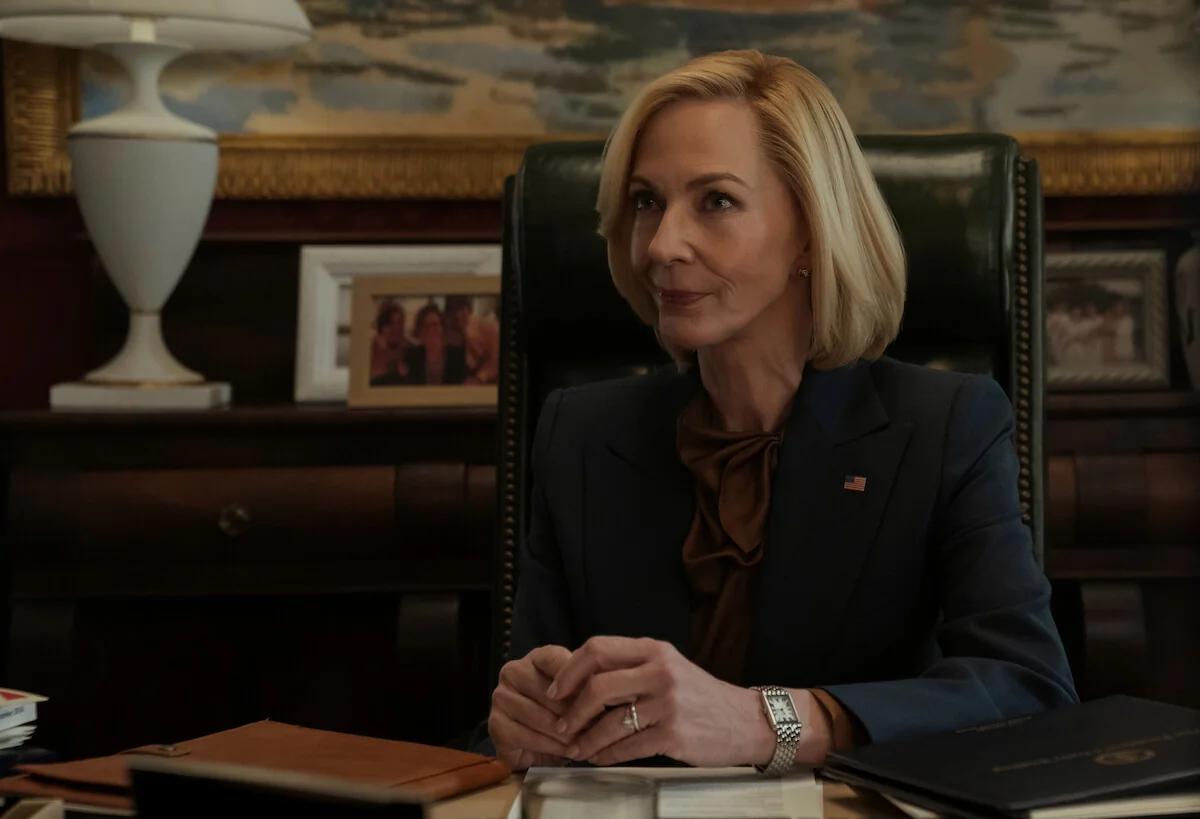
It would be easy to interpret some of her behaviour as a woman in power overcompensating because she expects to be questioned more than a man would be. My impression is that this explanation only goes so far. Grace also seems like someone who would want control regardless. Her need to prevail feels personal.
What makes her interesting is how that certainty coexists with a need for approval. She can act as though everyone else's opinion is irrelevant, then visibly enjoy hearing Hal report that people have said something flattering about her. She wants to make the difficult decisions, but she also wants to be recognised as the person who was right to make them.
Grace Penn's style of leadership
Her moral calculations are even more unsettling. To put my impression of her in hypothetical terms, she seems capable of sacrificing forty people to save sixty. But if those forty happen to be the people who matter to her, I can also imagine her deciding that the sixty are expendable instead. The calculation may sound practical; the question is who gets to assign the value.

To me, the style of leadership the show gives her has something Trump-like about it: the personal certainty, the arm-twisting and the expectation that everyone else will adjust once she has decided what she wants. I do not mean that she is a direct stand-in for him. What invites the comparison is the attitude towards negotiation.
Keri Russell as Kate Wyler
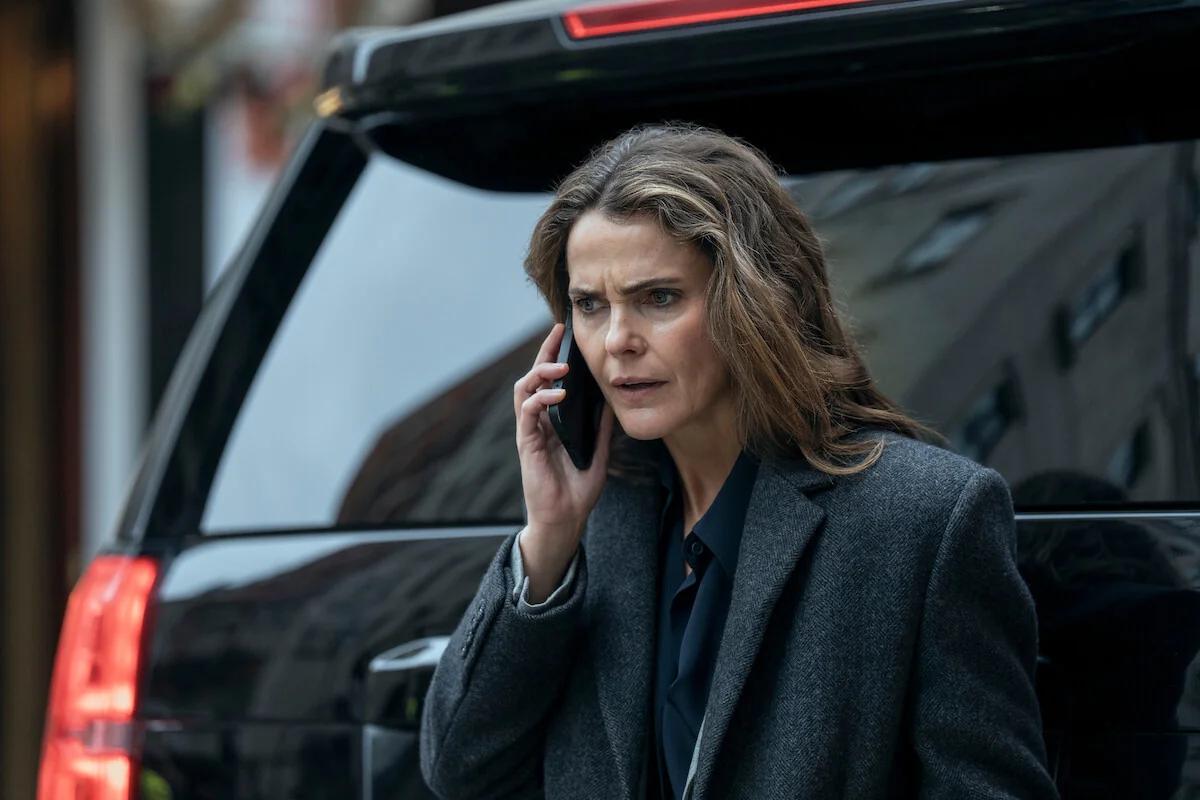
Caught in the middle is Kate, whose position feels very different from where she started. In the first season, she was so clearly the show's centre. Now, people around her have acquired greater power, and her ability to shape events feels more constrained. Keri Russell carries that change well. Kate still has the instincts and ability for diplomacy, but competence does not automatically give her control over the room.
The dinner scene
The dinner scene with Grace, Hal, Kate and Todd is where the season brings these relationships together most effectively. For me, it is a highlight.
At the table are the president and the vice president, alongside the ambassador and the president's husband. The formal distribution of power is obvious. The personal relationships make it much messier. Kate and Todd, who have less institutional authority, push against Grace in different ways. Hal, meanwhile, gives me the impression of understanding more of the problem than he is prepared to say directly. He has his own position to consider, and he is careful about how far he lets his disagreement show.
The scene gets comedy out of that discomfort without losing its seriousness. There are moments when it feels like a painfully awkward dinner between two couples, except the consequences of the argument extend well beyond the table. Affection, resentment, professional frustration and political calculation all enter the same conversation. It plays as a culmination of tensions the season has been building for hours.
Todd Penn
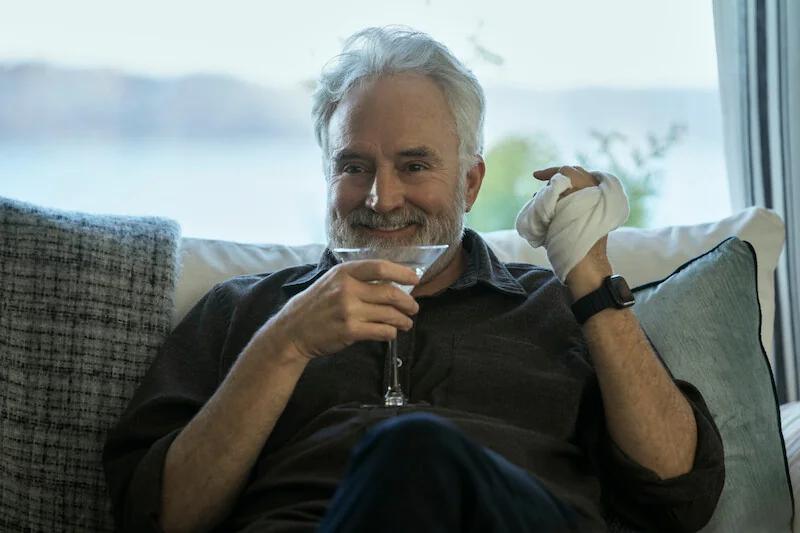
Todd is the person I find hardest to take seriously within this arrangement. Something about him can seem nearly childlike at times. I understand that he feels sidelined by his wife, but I am not always sure what he thinks he is trying to achieve. Even with his expanded involvement, he can still feel peripheral to the decisions that matter.
Hal Wyler's ambition
Hal remains the most intriguing of the four. I think he is the cleverest, and I find it difficult to believe that the vice presidency is the limit of his ambition. My reading is that he has his eye on the presidency, although that remains an interpretation and not something I would treat as established.
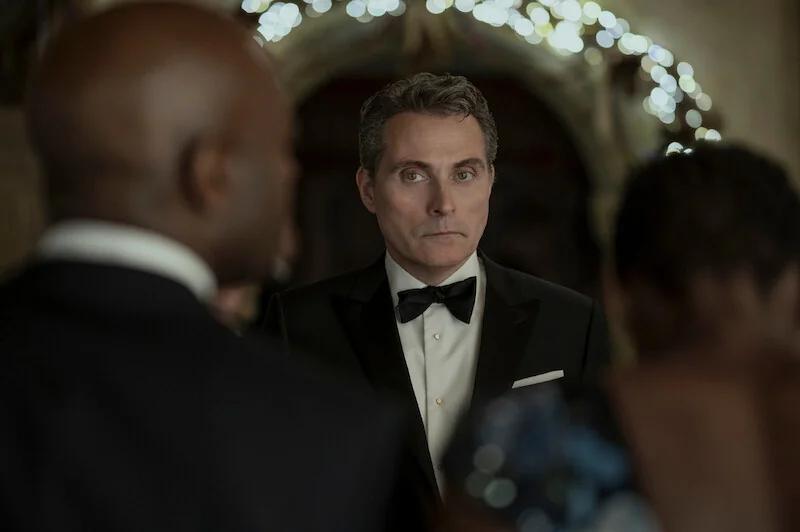
He is a master manipulator and a loose cannon, but I do not think those qualities contradict each other. He can take a reckless step while understanding exactly what he hopes to gain from it. The uncertainty is how much damage he has anticipated, and how much he is willing to accept.
The idea of Grace and Hal as balloons, with their spouses acting as the rocks that keep them grounded, is useful up to a point. It captures the work Kate and Todd do in trying to pull them back towards reality. But I am less convinced that Hal is just floating away and needs someone to bring him down. He often seems very aware of where he is going. What makes him difficult to read is how carefully he balances his marriage, his access to power and his next move, and how rarely we can be certain which of those he is protecting.
The supporting cast
Where the relationship writing really loses me is with CIA station chief Eidra Park (Ali Ahn) and Stuart Hayford (Ato Essandoh), Kate's deputy chief of mission. My problem goes beyond finding their romance repetitive. Before this season, they felt necessary to how the story unfolded. Here, for long stretches, they feel like familiar staff members the show has kept around without finding equally compelling work for them to do. The relationship gives them screen time, but I rarely felt that it moved the larger story forward.

Billie Appiah (Nana Mensah), the president's chief of staff, also feels less distinctive than she did in earlier seasons. Nana Mensah remains convincing, and Billie has a purpose within the administration and its eventual crisis. But much of the time, I felt she was there to keep the machinery moving. She gets less room to register as an individual presence. An expanding central cast inevitably changes the balance, but I missed some of what the earlier ensemble brought to the show.
Is The Diplomat Season 4 worth watching?
Even with those reservations, The Diplomat Season 4 gets a four out of five from me. Russell, Sewell and Janney make these conflicts worth following, and the best scenes find tension and humour in the same uncomfortable exchange. The dinner alone captures how good this show can be when its political and personal arguments come together. Some of the romance feels forced and parts of the ensemble deserve more to do. But I still care about these people, especially when I am not sure I can trust them. I just wish the show would let a season end before asking me to begin again.
The assassination attempt. The assassination attempt is where the loss of investigative interest becomes particularly frustrating. Someone shoots the American president, Grace Penn (Allison Janney), which initially seems like it should open up a substantial mystery. Then the suspected shooter is reported dead by suicide, and the investigation largely recedes while the show moves towards its bigger geopolitical confrontation. We get an update, but I never felt that we got a satisfying exploration of what had happened and why.
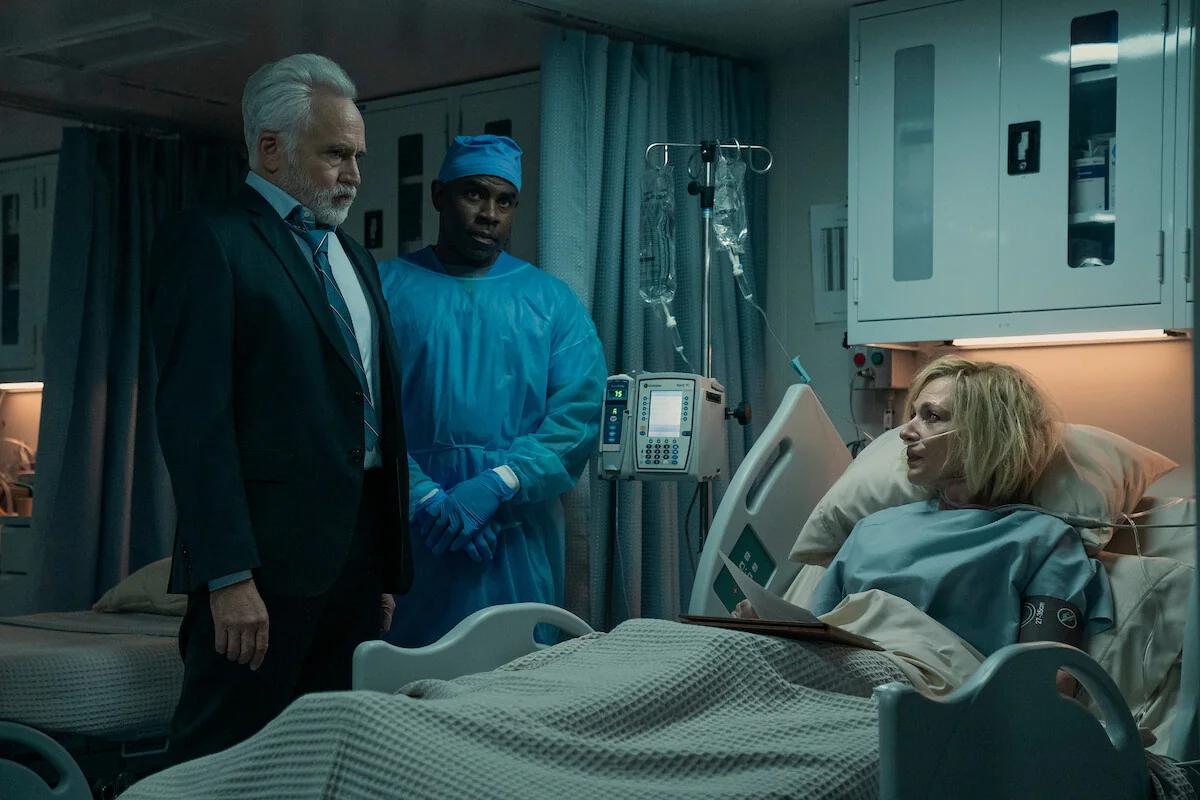
The shooting does have value beyond the mystery. The emergency, the recovery and the return to work show how much depends on the president being able to perform the job. Her survival matters across an entire administration and its responsibilities, far beyond the immediate crisis. That part comes through. But the investigation itself becomes surprisingly easy to forget by the end. If the show returns, how much of an already neglected thread are viewers going to carry into the next season?
Grace after the shooting. The show spends considerable time asking whether being shot has made Grace more aggressive. I am not convinced it explains as much as the characters seem to think. Long before she became president, she conceived the plan to attack HMS Courageous without President Rayburn (Michael McKean) even knowing about it. She was already willing to act behind the president's back and accept the risk to human lives in pursuit of what she considered a necessary geopolitical outcome.
Those warning signs were there before she held the highest office, let alone survived an assassination attempt. The shooting may have affected her, but I am unsure how much it changes the way she operates. I find it entirely plausible that she would have made similarly aggressive decisions without it. The stronger explanation, for me, is the continuity of her behaviour: someone who already trusted her own judgement enough to bypass the president now has the authority of that office herself.
Trowbridge's address. Also in play is the confrontation with Nicol Trowbridge (Rory Kinnear). His public address announcing the death of Austin Dennison (David Gyasi) carries a barely disguised attack on American bullying. He does not need to name Grace for the people concerned to understand whom he means. I read that as another possible reason for her growing impatience with Britain. She already believes she knows what needs to be done; now an ally is publicly condemning the way her administration operates. By the end, her attitude feels like someone who has decided she is done accommodating these people and will proceed as she sees fit. Call that my reading of the escalation, but it gives her aggression a political context that the discussion of the shooting alone does not capture.
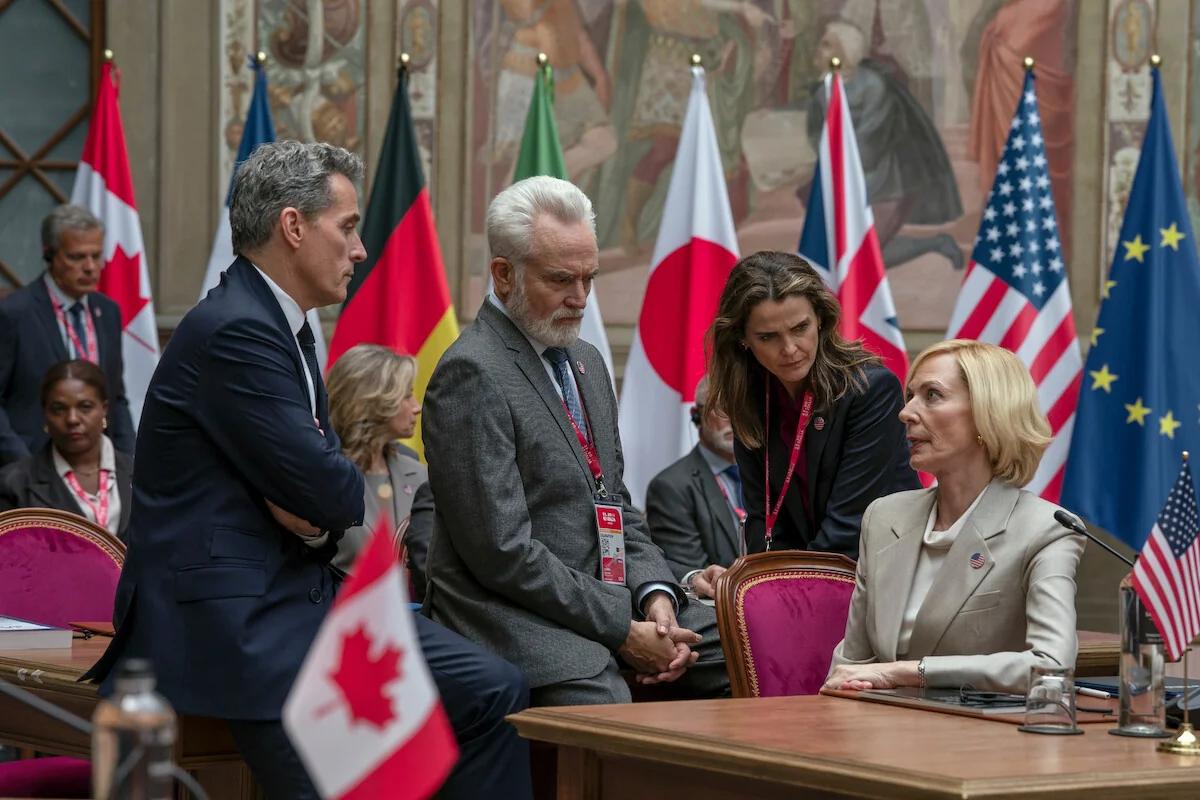
The G7. By the G7, Grace's attitude has become particularly stark. Her approach to Britain and the other allies increasingly feels like a demand to accept American terms. The partnership is still there on paper, but she behaves as though American power should settle the argument. The other countries have collective weight; they also have to reckon with what a rupture with the United States would mean. Grace understands that imbalance and is willing to exploit it.
Trowbridge and Dennison. Kate Wyler (Keri Russell) is not a perfect diplomat herself. Her own attempt to put pressure on Trowbridge helps bring about his resignation. That matters because it complicates her objections to Grace's methods. Kate is capable of arm-twisting, too, and she has to live with what follows.
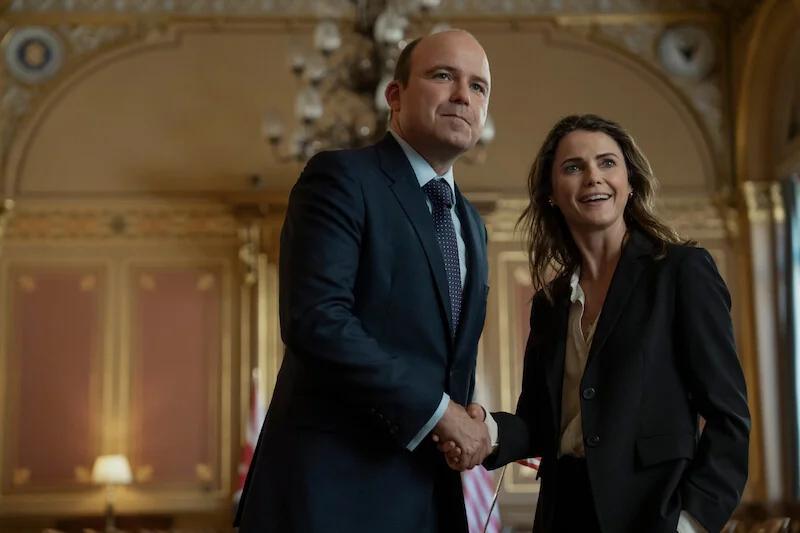
But the way the season moves on from the old British administration feels abrupt. Dennison's death is delivered as news of a helicopter crash. For someone who mattered so much to the previous seasons, his departure feels remarkably remote. There are consequences for the people around him, but I would have liked the show to give the loss itself more space. Instead, it often feels like another development to absorb before the plot moves along.
Trowbridge is gone by the season's halfway point, and his operatic farewell did not work for me either. The Pagliacci sequence makes his internal collapse theatrical, but I found it cringe-inducing. I understood the intention; I just did not find the execution moving. Between Dennison's off-screen death and Trowbridge's elaborate exit, the show seems impatient to clear the old administration out of the way.
Three women in power. With Bethan Vaughn (Jodie Whittaker) taking over as British prime minister, Kate has another working relationship to build while managing a president who expects obedience. Whatever understanding she can establish with Britain keeps coming under pressure from Washington. She is supposed to maintain the relationship between the two countries while the people above her make that increasingly difficult.
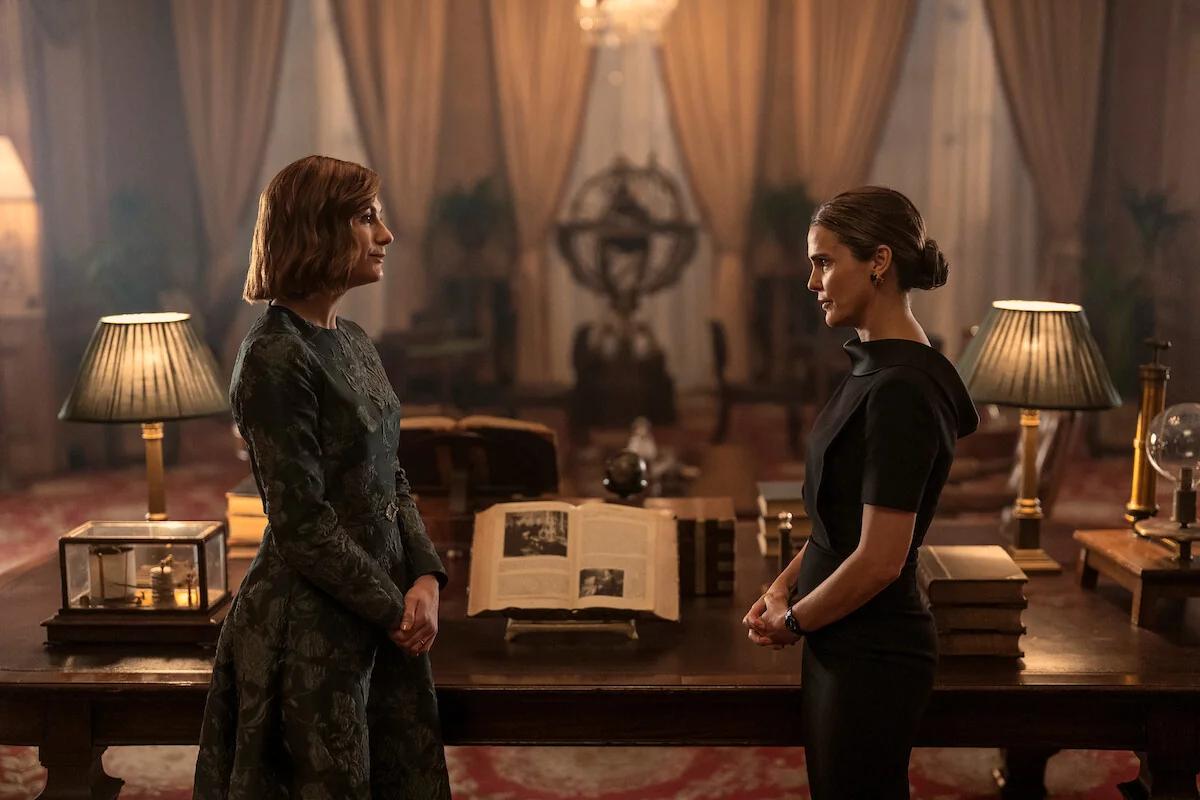
Also striking is seeing the American president, the British prime minister and the ambassador in the middle of this struggle all being women. The concentration can feel nearly utopian, given how rarely we see that particular arrangement of power. But the characters themselves are anything but idealised.
For that reason, it works for me. I do not feel that the show pauses to congratulate itself for putting women in charge. These women are convincing in their positions, and they are allowed to be ambitious, capable, unreasonable and wrong. Their conflicts feel rooted in who they are and what they want.
Todd as special envoy. Todd Penn (Bradley Whitford) becomes a special envoy to the UK, and I start wondering what the media in this world is doing.
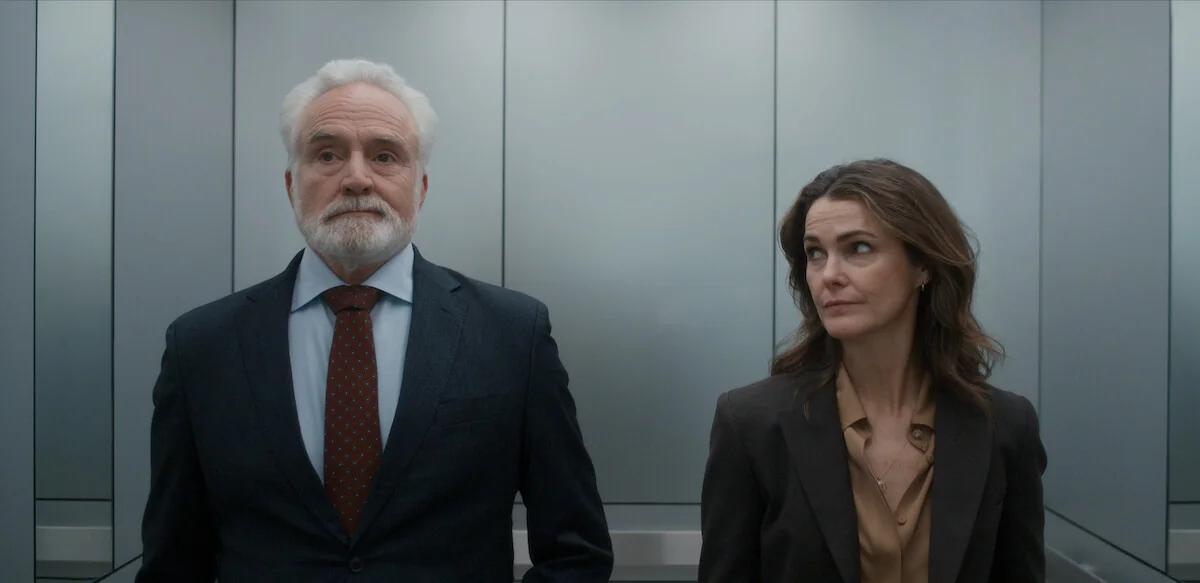
The vice president's wife is the ambassador. The president's husband is now a special envoy. Kate has an established diplomatic career, so these are hardly identical appointments, but the optics alone should invite relentless scrutiny. With Todd especially, I wanted the show to acknowledge more of the public reaction that such an arrangement would provoke. At some point, surely someone would ask how much of American foreign policy is being handled within these two marriages.
The sticky-note proposal. The sticky-note proposal between Eidra Park (Ali Ahn) and Stuart Hayford (Ato Essandoh) is the clearest example of why their romance frustrates me. Eidra turns office supplies into a romantic gesture, and I understand what the scene is trying to communicate: these people live through their jobs, so even an attempt at intimacy takes the form of something improvised at work. I still found it painfully contrived. At some point, television needs to stop assuming that an awkward or deliberately unromantic gesture becomes cute simply because the characters are bad at expressing themselves. For me, this one was just irritating.
Stuart's dissent does eventually become consequential, but that late importance did not make the preceding relationship scenes feel necessary to me.
The ending. Then there is the ending, which brings me back to where this review began. The season makes consequential moves: at the G7, Kate publicly resigns, saying she no longer supports the Penn administration, and Billie Appiah (Nana Mensah) and Miguel Ganon (Miguel Sandoval) follow her out. But it also stops just before the conversation I most want to hear. Hal Wyler (Rufus Sewell) walks out to join them and is about to address the press, and we are left waiting for what the vice president will say. That works as a way to create anticipation. Also, it is becoming a very familiar way for The Diplomat to finish a season.
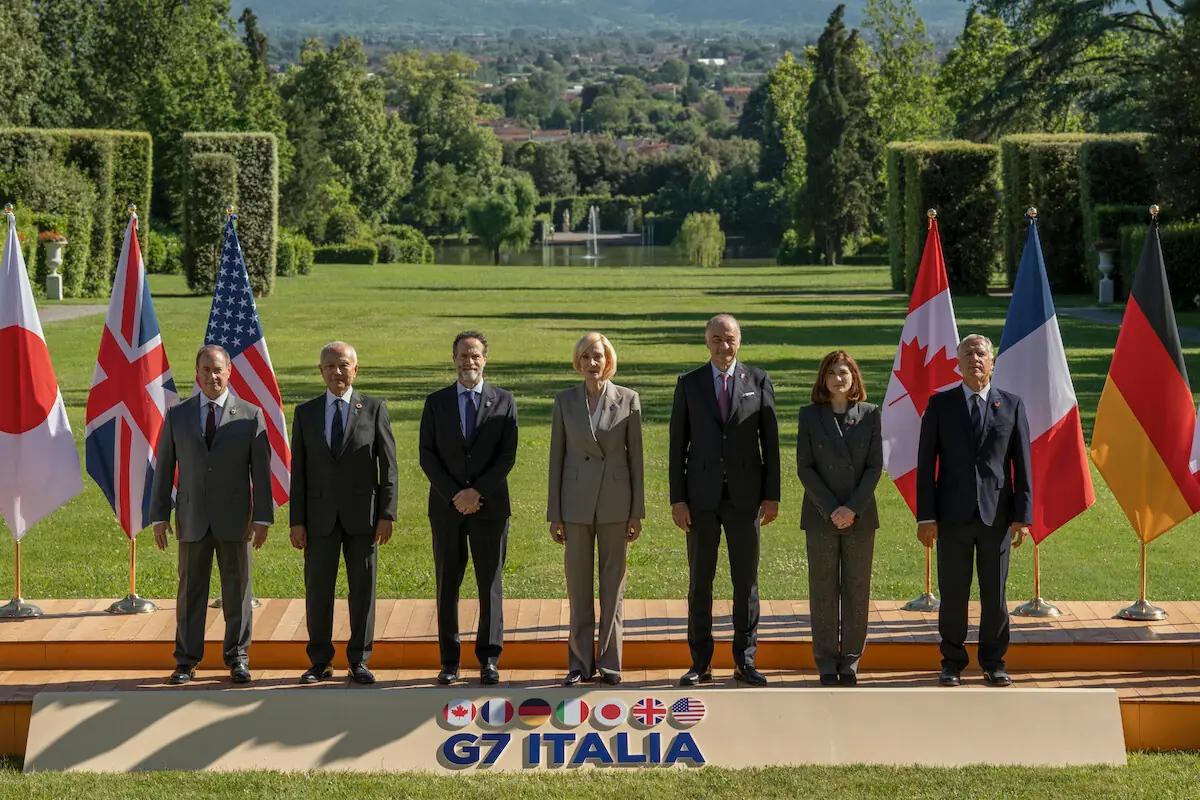
Plenty remains to speculate about, particularly where Hal is concerned, but those theories deserve their own article. My frustration here is with the viewing experience: the show builds towards a moment that opens so many new possibilities that the finale can feel like the beginning of the next story. I want to watch that story. I also wanted this one to feel more complete.
Bright Bulbs
- Grace Penn (Allison Janney) is a deeply flawed personality, and Janney makes her compelling to watch.
- Kate Wyler (Keri Russell) and Hal Wyler (Rufus Sewell) cannot easily separate their marriage from their work, and that keeps it interesting.
- The dinner with Grace, Hal, Kate and Todd Penn (Bradley Whitford) gets comedy out of discomfort without losing its seriousness.
Dull Bulbs
- The investigative pull the show once had is missing, and the story feels narrower for it.
- The romance between Eidra Park (Ali Ahn) and Stuart Hayford (Ato Essandoh) keeps them on screen but rarely advances the wider story.
- Billie Appiah (Nana Mensah) feels less distinctive, there mostly to keep things moving.
Cast
- Keri Russell as Kate Wyler
- Rufus Sewell as Hal Wyler
- Allison Janney as Grace Penn
- Bradley Whitford as Todd Penn
- Ato Essandoh as Stuart Hayford
- Ali Ahn as Eidra Park
- Nana Mensah as Billie Appiah
- Miguel Sandoval as Miguel Ganon
- Rory Kinnear as Nicol Trowbridge
- David Gyasi as Austin Dennison
- Jodie Whittaker as Bethan Vaughn
Related articles
- Is The Diplomat Based on a True Story? The Real History Behind the ShowNo. The Diplomat is fiction, but it borrows real diplomats' stories, real London buildings, a real Russian weapons programme and real political rules.
- Is the Poseidon Real? The Diplomat's Doomsday Weapon vs Russia's Actual TorpedoYes, Poseidon is a real Russian weapons programme, though its readiness is unproven. What Moscow claims, what experts doubt and how the show compares.
- Who Is Bethan Vaughn in The Diplomat? Jodie Whittaker's Character, ExplainedBethan Vaughn is Jodie Whittaker's new character in The Diplomat Season 4: a prominent figure in the UK government. Who she is, and where she stands.
- Who Is Grace Penn in The Diplomat? Her Full Arc, ExplainedAllison Janney plays Grace Penn, the American politician at the centre of The Diplomat's power struggle. This page follows her full arc from Season 1 to Season 4.
- Who Is Hal Wyler in The Diplomat? His Full Arc, ExplainedHal Wyler is Kate's husband, a career diplomat who becomes vice president. This page follows his full arc, from Season 1 to the Season 4 finale.
- Is Austin Dennison Dead in The Diplomat? Season 4's Big Exits ExplainedWhat happens to Austin Dennison and Nicol Trowbridge in The Diplomat Season 4, how each exit plays out, and what Debora Cahn says about it.
More from The Diplomat
Also on The Diplomat: Explainer · Is The Diplomat Based on a True Story? The Real History Behind the Show (+8) List · The Diplomat Season 5 Theories, Ranked by the Evidence
Everything on The Diplomat (11) →